1. What is “blue light” (HEV)?
Blue light or HEV (High Energy Visible, 400–500 nm) is part of the visible light spectrum and is present in:
- Screens (computer, mobile, TV)
- Modern LED and fluorescent bulbs
Unlike UV rays, it doesn't immediately burn the skin, but it penetrates and activates biological pathways that can:
- Generate oxidative stress.
- Cause inflammation.
- Promote pigmentation and spots.
Several studies show that HEV increases free radicals (ROS), affects mitochondrial function, and alters the skin barrier.
2. How does artificial light damage the skin?
- Oxidative stress and mitochondrial damage
Blue light increases ROS within keratinocytes and fibroblasts, damaging proteins, lipids, and DNA, accelerating premature aging.
- Hyperpigmentation
It can darken the skin, especially in medium and high phototypes.
- Slower skin barrier restoration
In the 430–510 nm range, barrier restoration after damage slows down.
- Silent inflammation
ROS increase proinflammatory mediators, generating chronic basal inflammation.
- Altered circadian rhythms
Light at night confuses the pineal gland, decreases melatonin, and hinders night repair, detox, and collagen synthesis.
3. What visible and invisible damage does it cause?
Short-term (weeks/months)
-
Dull skin, feeling of “digital stress.”
-
Tightness or reactivity due to altered barrier.
-
Post-inflammatory spots, meaning they take longer to disappear, and uneven tone after long hours in front of a screen. 
Long-term (months/years)
-
Persistent hyperpigmentation, especially in phototypes III–VI.
-
Silent photoaging: weak collagen, disorganized fibers due to chronic ROS.
- Altered circadian rhythm → poorer night repair and more basal inflammation: emerging evidence suggests that HEV can contribute to cumulative genetic damage over time.
4. How can you protect your skin? Real allies
1. “Circadian-friendly” habits
-
☀️ In the morning (if possible, be present at sunrise (NIR light) for 5-20 min, as much as you can).
-
🌙 Night: Red light at home or amber and activate “night mode” on devices.
-
🖥️ Screen: >50–60 cm min distance and screen in red.
These measures reduce exposure and help restore nocturnal melatonin, key for skin repair.

2. Probiotics
The best medicine is good prevention, and in this case, cosmetics with live probiotics are key to strengthening your skin barrier.
When your skin's microbiota is balanced, its defense capacity increases, and the impact of blue light—oxidation, inflammation, and premature aging—is significantly reduced.
Skin with a strong barrier responds better, repairs faster, and maintains its vitality even in digital environments.
Esse Skincare is the only brand in the world that works with live probiotics.
https://attura.shop/collections/esse-skincare
If you want to know more about probiotics, here is a recent publication.
https://www.instagram.com/p/DPhKUZ2DBx4/?igsh=eXE3cnMxZ2Ryenz3
3. Protective cosmetics against blue light (HEV)
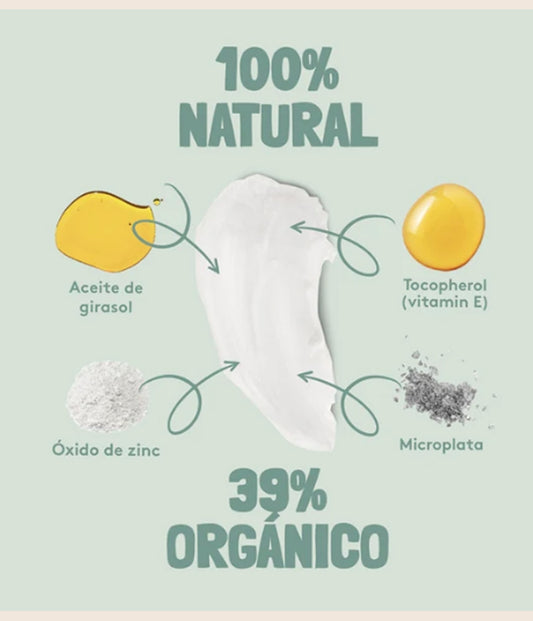
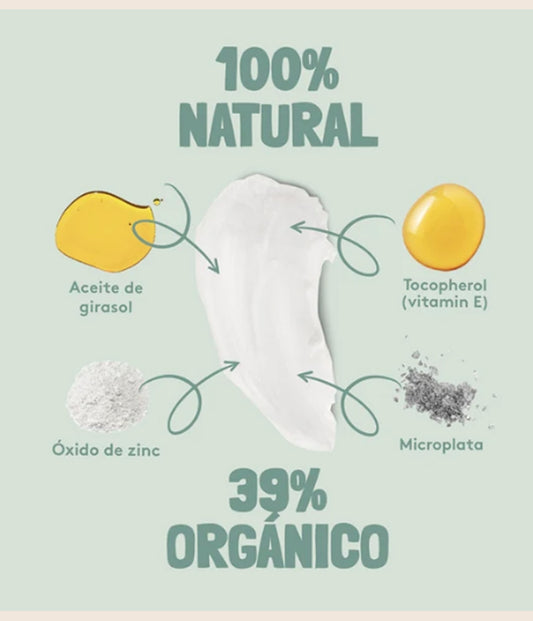
Visible photoprotector with mineral filters (Zinc Oxide (ZnO) + Titanium Dioxide (TiO₂)) tinted (pigments usually iron oxides, FeO, Fe₂O₃).
-
They work by reflecting and scattering UV light, instead of absorbing it like chemical filters.
-
They protect against HEV/visible light.
-
They improve hyperpigmentation compared to untinted mineral SPF.
-
Essential for melasma and post-inflammatory spots and medium/high phototypes.
Here are my favorites
FOUNDATION - ESSE
https://attura.shop/products/f4-f5-y-f6-foundation?_pos=1&_psq=fou&_ss=e&_v=1.0
This is a foundation that combines nature and science, available in three shades (F4-F6) for all skin types.
Double protection: SPF 30 against UVA, UVB rays and blue light (HEV), with active ingredients such as iron oxide and titanium dioxide for coverage and defense against external aggressors.
Contains probiotics and prebiotics that help keep skin healthy.
Its texture spreads easily, is buildable, and the wax-coated mineral particles prevent skin dryness, leaving a natural and even finish.
Fragrance-free, allergen-free, with mild preservatives; suitable for sensitive skin.
🔸Skin type: Combination and sensitive.

THE DAY FACE CREAM - YELLOW
https://attura.shop/products/the-day-face-cream-spf50
The Day Face Cream SPF50 is not a common BB Cream: it is a day cream that combines maximum sun protection (SPF50) with a subtle hint of color.
It deeply hydrates, strengthens the skin barrier, and soothes the skin, while its antioxidants and anti-aging compounds help combat hyperpigmentation, promote cell regeneration, and provide radiance.
Its texture is rich but its coverage is light and unifies skin tone, minimizes imperfections, and leaves a natural and radiant finish.
Available in shades #20 and #30.
🔸Skin type: Dry

6- Frequently asked questions I receive in consultation.
-
Does SPF without color protect against screens?
No, it only protects against UV radiation; to protect against blue light, it must be a visible filter with color.
-
Does the screen cause melasma on its own?
The risk is low in the short term, but when exposure is long-term and constant, especially now that we are consciously and unconsciously surrounded by blue light and our circadian rhythm is altered, then there is a risk.
-
If I work at night, what should I prioritize?
Reduce screen brightness and activate night mode, and use a routine as if it were morning: antioxidants + blue light protection.
QUICK SUMMARY
Practical checklist:
. Mornings with brief sunlight.
. Probiotics + tinted mineral SPF (iron oxides) every day and touch up with tinted powder if you work in front of screens.
Lily Lolo mineral foundation is undoubtedly the best option.
- Caramel shade https://attura.shop/products/base-mineral-spf15-cool-caramel
- Cookie shade https://attura.shop/products/base-mineral-spf15-cookie
• Activate Night mode on screens + warm lights at sunset. 
• Bioretinol/bakuchiol and vitamin C according to skin type at night.
Respecting light rhythms, nourishing from within, and protecting with proven actives against HEV helps spots organize themselves and skin regain its natural radiance.