
-
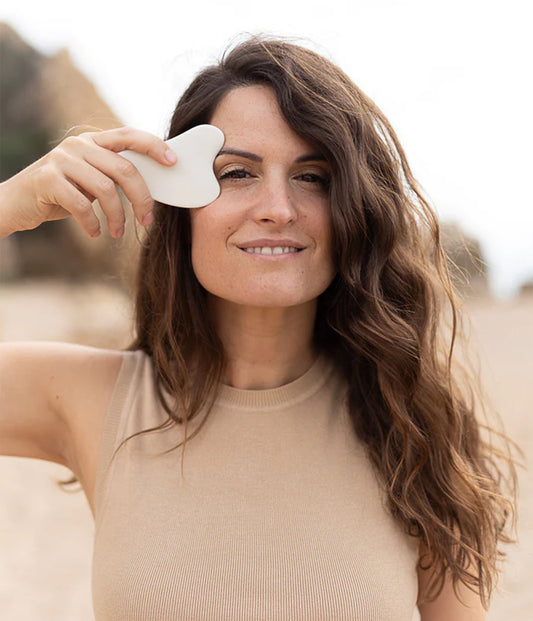
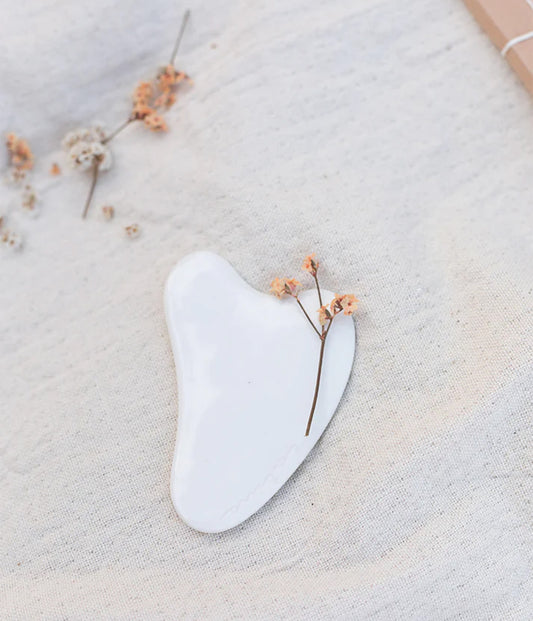
Gua Sha saludable
Regular price 65,00 €Regular priceUnit price per65,00 €Sale price 65,00 € -
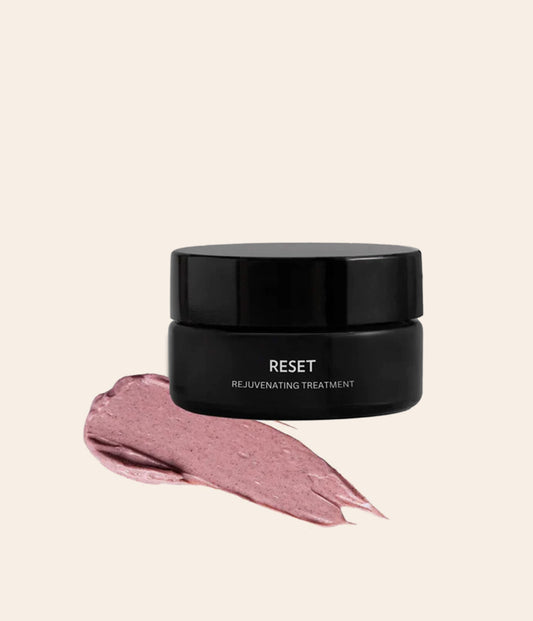
Reset Rejuvenating Treatment
Regular price 69,00 €Regular priceUnit price per69,00 €Sale price 69,00 € -
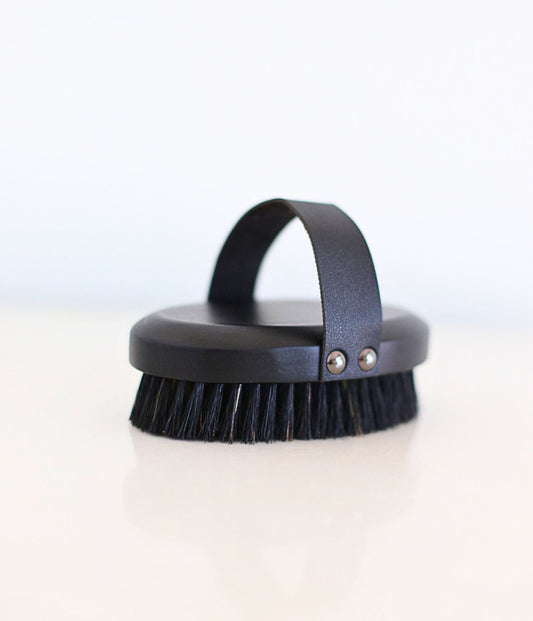
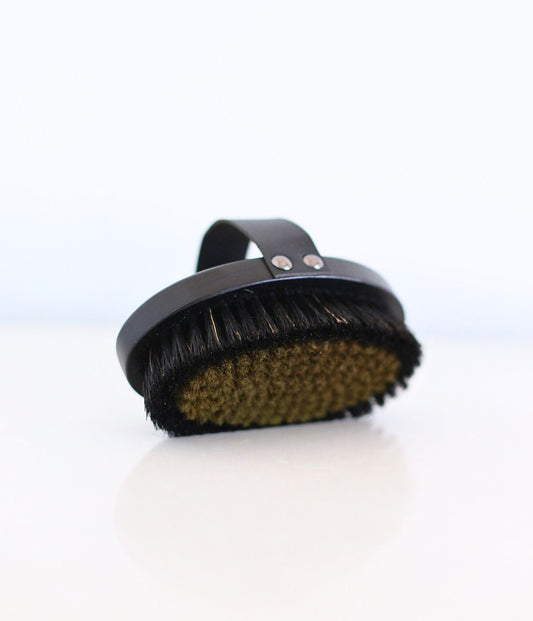
Copper Body Brush
Regular price 33,90 €Regular priceUnit price per33,90 €Sale price 33,90 € -
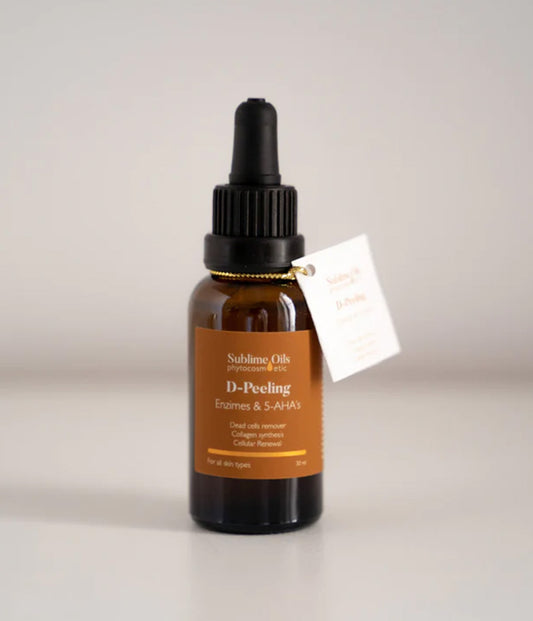

D Peeling. Enzymatic Exfoliant + 5AHA´s
Regular price 59,00 €Regular priceUnit price per59,00 €Sale price 59,00 € -
Bamboo vegetable peeling
Regular price 38,92 €Regular priceUnit price per38,92 €Sale price 38,92 € -
Active Mask
Regular price 32,48 €Regular priceUnit price per -

Detoxify
Regular price 61,00 €Regular priceUnit price per61,00 €Sale price 61,00 € -
-
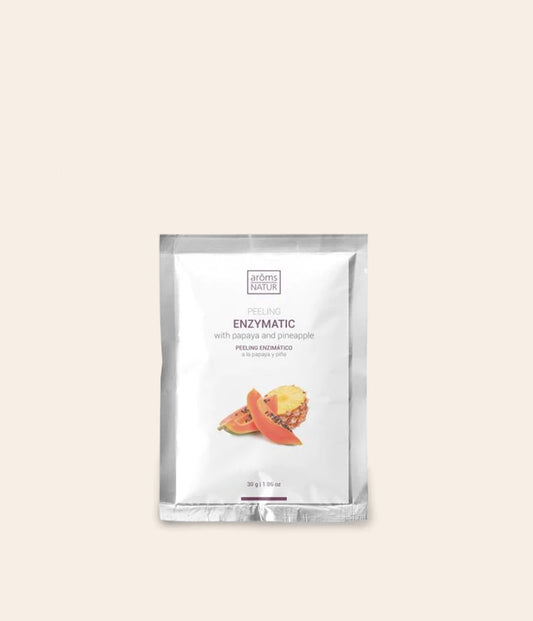
Enzyme Peeling
Regular price 36,00 €Regular priceUnit price per36,00 €Sale price 36,00 € -
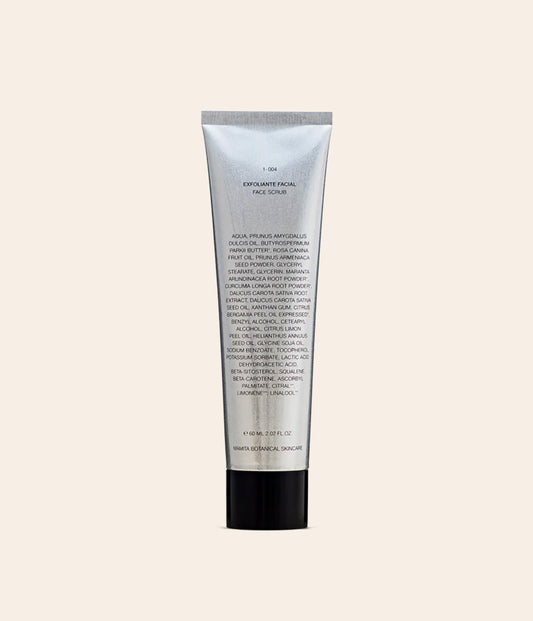
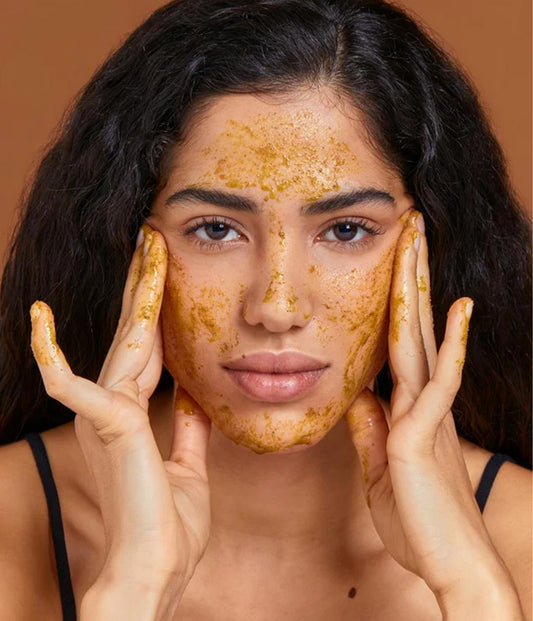
Facial Scrub
Regular price 39,00 €Regular priceUnit price per39,00 €Sale price 39,00 € -

Silk renew - Renew body cream 3 in 1
Regular price 49,00 €Regular priceUnit price per -
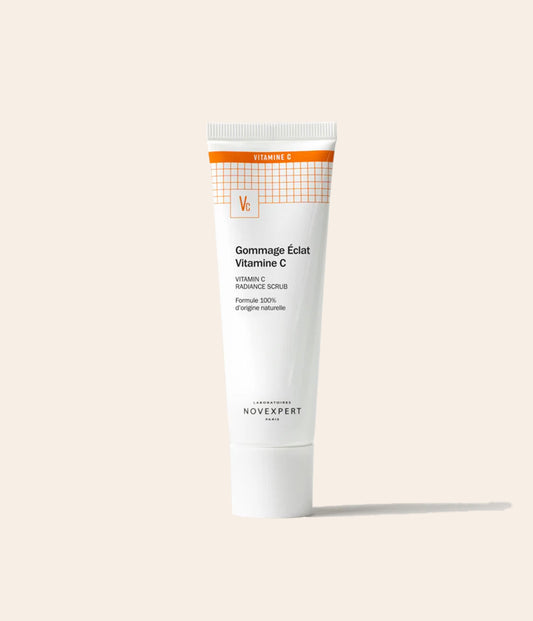
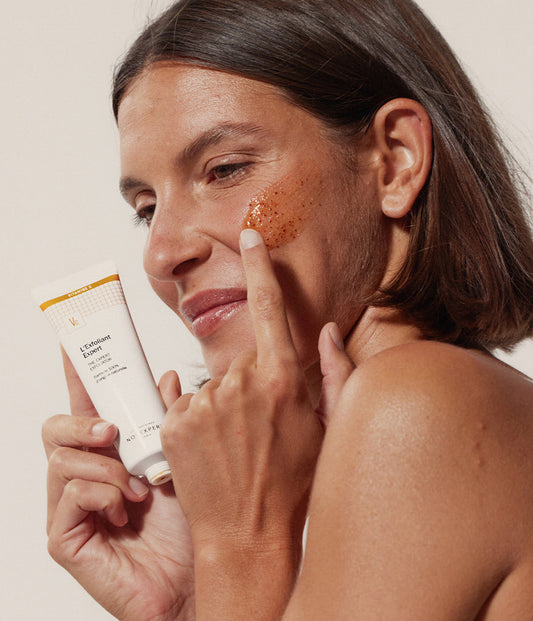
Vitamin C Illuminating Exfoliator
Regular price 25,05 €Regular priceUnit price per25,05 €Sale price 25,05 € -


Types of natural facial exfoliants: Which one is right for your skin
Not all natural exfoliants work the same way, and using the wrong type can do more harm than good. These are the ones we use in the salon:
Enzymatic peel: the gentlest and most respectful option. It does not work through friction but through natural chemical action: enzymes dissolve dead cells without touching the living layers. It is applied like a mask, left on for a few minutes, and rinsed off with water. It is the one I recommend for sensitive, reactive skin, or skin with rosacea; it exfoliates, soothes, and does not irritate.
Physical exfoliant or granule peel: works through gentle friction using a mixture of cream or oil with natural particles. It instantly renews, softens, and hydrates by activating microcirculation. Ideal for normal, combination, or thicker skin types that tolerate touch well.
Dry brushing: the most stimulating form of exfoliation. Facial brushes are easy to clean and incorporate into your daily routine. Particularly indicated for oily, thick, or very aged skin that needs a constant renewal stimulus.
Peel with natural alpha hydroxy acids (AHAs): at Attura, we do not work with harsh chemical peels, but we do use formulations that utilize AHAs of natural origin with a real renewing effect without damaging the skin's protective barrier. On the contrary, they nourish it.
How often should you use a natural facial exfoliant?
The answer depends on your skin type, and getting this wrong is one of the most common mistakes I see in the salon. Over-exfoliating irritates and inflames; under-exfoliating yields no results.
As a general guide: for sensitive or reactive skin, use an enzymatic peel once every ten to fifteen days. For normal or combination skin, once a week. Thicker, oily, or aged skin can tolerate it twice a week. Always do it at night—the skin is more receptive and regenerates while you sleep—and always follow with good hydration.
Natural facial exfoliant for every skin type
Sensitive or reactive skin: enzymatic peel, biweekly frequency, no rubbing.
Oily or acne-prone skin: gentle physical exfoliant or brush, once a week. It helps deep-clean pores and regulate excess sebum.
Dry or dehydrated skin: oil-based exfoliant, always followed by a nourishing cream. Exfoliation on dry skin is key so that hydrating active ingredients reach where they need to go.
Mature skin: natural AHA peel, once a week. This is the step most noticeable on mature skin; cellular renewal has slowed down and needs that boost to recover luminosity and texture.