The integrative approach: the missing perspective
The integrative vision reminds us that the body does not function in watertight compartments. The skin is not an isolated organ: it is the mirror of everything that happens inside. When there is chronic inflammation, hormonal imbalance, intestinal dysbiosis, or sustained stress, the skin shows it. And in many women, it shows it in the form of spots.
That is why the approach to melasma must always be integrative. We will never focus our gaze solely on the skin.
1. The liver: the great detoxifier that no one takes care of
In Traditional Chinese Medicine, melasma has been called “liver spots” for centuries. It wasn't poetry: it was precise clinical observation.
The liver is the body's main detoxifying organ. Among its functions is to metabolize and eliminate excess estrogen. When the liver is overloaded by an inflammatory diet, alcohol consumption, exposure to environmental toxins, certain medications, or simply the pace of modern life, its ability to detoxify is compromised.
The result: estrogens are not eliminated correctly and recirculate in the body. And excess circulating estrogen is one of the main known triggers of melasma, because it directly stimulates melanocytes, the cells that produce pigment.
How to take care of your liver
→ Reduce the consumption of alcohol, ultra-processed foods, refined sugar, and trans fats
→ Increase the consumption of bitter vegetables: artichoke, arugula, chicory, radicchio, dandelion
→ Include cruciferous vegetables daily: broccoli, cauliflower, cabbage, kale, rich in sulforaphane, which activates hepatic detoxification pathways
→ Turmeric with black pepper: potent anti-inflammatory and liver support
→ Limit exposure to endocrine disruptors: conventional cosmetics with parabens, single-use plastics, pesticides
→ Sufficient hydration: the liver needs water to detoxify
2. The gut: the axis that connects everything
There is something that science calls the “gut-skin axis,” and its role in melasma is more relevant than is recognized in conventional dermatology.
A study published in *Frontiers in Microbiology* in 2022 (Cong Liu et al., PMID: 36466670) found that people with melasma have a significantly different gut microbiota than those who do not suffer from it, with a greater presence of *Collinsella* spp., a bacterium involved in estrogen metabolism.
When the intestinal barrier weakens, molecules that should not enter the bloodstream do so. This activates the immune system and generates low-grade chronic inflammation. That inflammation reaches the skin, melanocytes become reactive, and the spot appears or intensifies.
Furthermore, an imbalanced microbiota can promote the reabsorption of estrogens in the gut instead of their elimination, adding to the liver problem described above.
How to take care of your gut
→ Increase fiber consumption: vegetables, whole fruits, legumes, seeds
→ Include fermented foods daily: kefir, natural yogurt, sauerkraut, kimchi, miso
→ Reduce ultra-processed foods and sugar, which feed opportunistic bacteria
→ Manage stress: the nervous system and the gut communicate directly through the vagus nerve
→ Review the use of antibiotics and ibuprofen, which damage the intestinal barrier
→ Respect circadian rhythms: sleeping well is essential for the health of the microbiota
3. The thyroid: the overlooked connection
The thyroid regulates the cellular metabolism of the entire body, including the skin. Thyroid alterations, both hypothyroidism and hyperthyroidism, and especially Hashimoto's thyroiditis, which has an autoimmune basis, can directly affect skin pigmentation.
In many women with melasma who come for a consultation, there is a subclinical thyroid dysfunction that has not been identified or has been ignored because the values are “within the normal range” but on the borderline.
Signs that the thyroid may be involved
→ Persistent fatigue that does not improve with rest
→ Constant cold or intolerance to cold
→ Hair loss or dry and brittle hair
→ Chronic constipation
→ Difficulty losing weight
→ Very dry skin, especially on heels and elbows
→ Irregular or very heavy periods
How to support your thyroid
→ Ensure optimal levels of iodine, selenium, and zinc in your diet
→ Reduce gluten and dairy if there is an autoimmune component
→ Take care of your gut: the conversion of T4 to T3 (the active form) depends in part on the microbiota
→ Manage chronic stress, which suppresses thyroid function
→ Check exposure to fluoride and chlorine in water, which compete with iodine
4. Chronic stress: the emotional factor no one mentions
Chronic stress activates the hypothalamic-pituitary-adrenal (HPA) axis, raising cortisol and catecholamines. This sustained activation generates systemic inflammation, alters the intestinal barrier, suppresses immune function, and unbalances the hormonal system.
But there is something more that I want to tell you, because it is something that the integrative vision often overlooks when it focuses solely on physical health: the emotional and psychological impact of melasma.
In more than 95% of the women who come to my office with melasma, the worsening in summer has a huge emotional component. Sun exposure visibly darkens the spots, and that generates a state of alertness, constant self-observation, avoidance… which in turn activates more cortisol, which in turn stimulates more melanin. A loop that is rarely taken into account.
When we accompany melasma from a truly integrative approach, we also need to ask ourselves: how is this woman experiencing her relationship with her skin? What emotional burden does she associate with these spots?
How to take care of your nervous system
→ Regulation practices: diaphragmatic breathing, meditation, gentle movement
→ Restorative sleep: cortisol is primarily regulated during nighttime rest
→ Reduce excessive stimulation: screens, news, constant multitasking
→ Time in nature: it regulates the autonomic nervous system directly
→ Social connection: secure bonds are measurable anti-inflammatories
→ Work on your relationship with your own image from a place of compassion, not rejection
5. What tests to ask your health professional for
If you suspect that one of these axes is not right, these are the tests that make the most sense to request from an integrative approach. Not to obsess over numbers, but to have real information about what is happening in your body.
Liver function
→ GOT, GPT, GGT, alkaline phosphatase
→ Total and direct bilirubin
→ Complete lipid profile
Microbiota and gut
→ Zonulin intestinal permeability test in stool
→ Gut microbiota test (16S rRNA or metagenomic shotgun)
→ Fecal calprotectin
→ Dysbiosis / SIBO test if there are digestive symptoms
Hormonal profile and estrogens
→ Estradiol, progesterone, FSH, LH
→ DHEA-S and free testosterone
→ DUTCH test, the most complete for understanding how you metabolize estrogens
Thyroid - complete panel, not just TSH
→ TSH, free T3, free T4
→ Anti-TPO and anti-thyroglobulin (to rule out Hashimoto's)
→ Reverse T3 if there is a suspicion of functional hypothyroidism
Inflammation and oxidative status
→ Ultra-sensitive CRP
→ Homocysteine
→ Vitamin D
→ Ferritin, iron, and transferrin
→ Vitamin B12 and folic acid
Stress and HPA axis
→ Salivary cortisol — circadian profile (4 samples throughout the day)
→ DHEA-S — cortisol/DHEA ratio as a marker of adrenal resilience
6. How to protect your skin from the sun this summer
I want to be very clear: I am not going to tell you to avoid the sun because the sun is bad. The sun is necessary for the synthesis of vitamin D, for the regulation of the circadian rhythm, and for emotional well-being.
What I do tell you, based on the more than 20 years I have spent accompanying skin issues in my office, is that in 95% of women with melasma, sun exposure visibly darkens the spots. And that change has a real emotional and psychological impact that we cannot ignore.
Sun protection is not optional if you have melasma. Not because the sun is the enemy, but because taking care of your skin is also taking care of how you feel when you look in the mirror.
Physical protection first
→ Wide-brimmed hat whenever you are in the sun
→ Umbrella or shade during the central hours (12:00 PM – 5:00 PM)
→ Lightweight protective clothing on arms and décolletage if you have spots in those areas
The solar activator
One of the resources that I recommend most in summer is the solar activator cream
view in store.
It is applied before exposure and activates your skin’s own natural defenses so they work in a regulated, not reactive, way. Formulated with marine prebiotics, minerals, and vitamins.
Why mineral sunscreen is always necessary
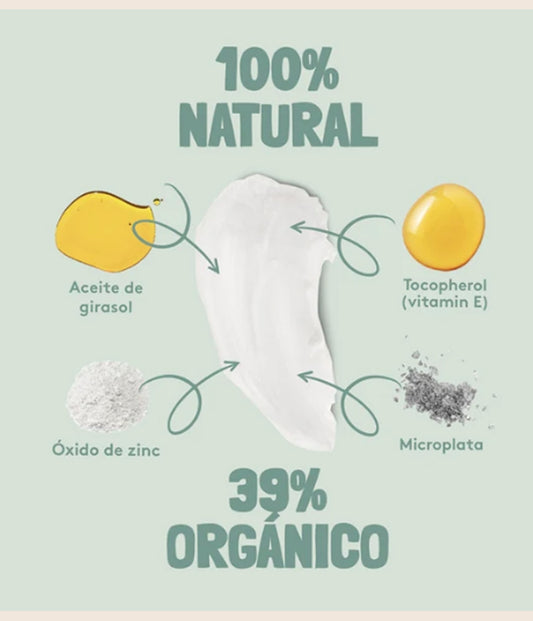
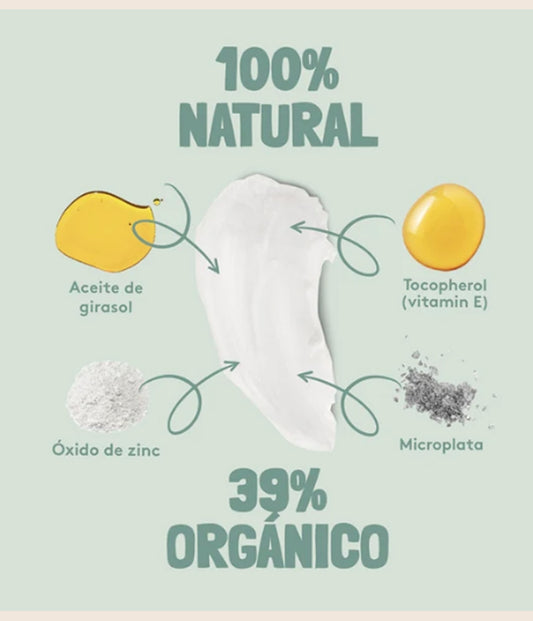
Conventional chemical sunscreens contain filters that are endocrine disruptors—"oxybenzone, octinoxate, homosalate"—that are absorbed through the skin and affect hormonal balance. For someone with melasma, whose root is often a hormonal imbalance, adding more disruptors through sunscreen is going in the exact opposite direction.
Yes, mineral sunscreens are denser than chemical ones. But your hormonal health must always come first.
Sunscreens by skin type
→ Velvet Shield SPF 50 Rich Halo Color View in store — normal or dry skin, with unifying color
→ Velvet Shield SPF 50 Revitalizing Touch View in store — normal or mixed skin, no color
→ Certified Organic Color Sun Stick View in store — for touch-ups throughout the day
→ Certified Organic Face Cream View in store — very natural light protection
→ Certified Organic Color Face Cream View in store — protection and tone in one step

7. The supplement that cannot be missed: *Polypodium leucotomos*
*Polypodium leucotomos* is a fern whose extract has been studied for decades for its photoprotective properties from within. It acts as a systemic antioxidant that neutralizes free radicals generated by UV radiation before they can activate melanocytes. An internal sunscreen.
Clinical studies show that its continued use during the summer reduces the intensity of the spots and slows their reappearance. In my practice, I recommend it to all women with melasma or a tendency to develop spots from the beginning of summer until the end.
The formula you will find in the store combines *Polypodium leucotomos* with green tea, carotenoids, selenium, and vitamins View in store — a complete antioxidant stack designed exactly for this.
My recommendation: start taking it 2–3 weeks before your first intense sun exposure and keep taking it until September.
8. Allied cosmetics: vitamin C and Bakuchiol
Beyond sun protection, there are two active ingredients that this summer will be your best allies if you have melasma or a tendency to spots. And the three serums that I present to you do not have photosensitivity; you can apply them both during the day and at night.
Vitamin C — antioxidant and depigmenting
Vitamin C inhibits tyrosinase, the key enzyme in melanin synthesis, and at the same time acts as an antioxidant, neutralizing the oxidative damage that UV radiation generates in the skin.
→ Vital C Oil Free Serum — Herbera View in store: My favorite for mixed, oily, and acne-prone skin. With vitamin E and ferulic acid that enhance the stability of vitamin C. Oil-free texture, no shine, does not clog pores.
→ Vitamin C Serum — Sublime Oils View in store: For mixed skin looking for a visible brightening effect. Unifies tone, fights imperfections, and stimulates collagen. Light texture, fast absorption.
Bakuchiol: renewal without photosensitivity
Bakuchiol is the great natural alternative to retinol: same action on cell renewal and collagen synthesis, without photosensitivity or irritation. Perfect for use in summer without restrictions.
Bakuchiol Serum — Esse View in store: What I love about this formula is not just the bakuchiol, it is the combination: live probiotics that balance the skin microbiome, antioxidants that curb oxidation throughout the summer, and a cellular repair profile that no other bakuchiol serum I know can match. Suitable for all skin types.
In summary
Melasma is a sign. Not a defect, not a condemnation. A sign that something in the internal balance deserves attention.
Taking care of your liver, gut, thyroid, and nervous system is not a complicated protocol: it is returning to the basics from a conscious place. Eating well, truly resting, reducing the toxic load, managing stress, and choosing cosmetics that take care of you without harming your hormonal health.
And this summer, in addition, protect yourself. Not because the sun is your enemy, but because you deserve to enjoy it without the emotional impact of seeing your spots darken robbing you of your peace.
With love,
Laury